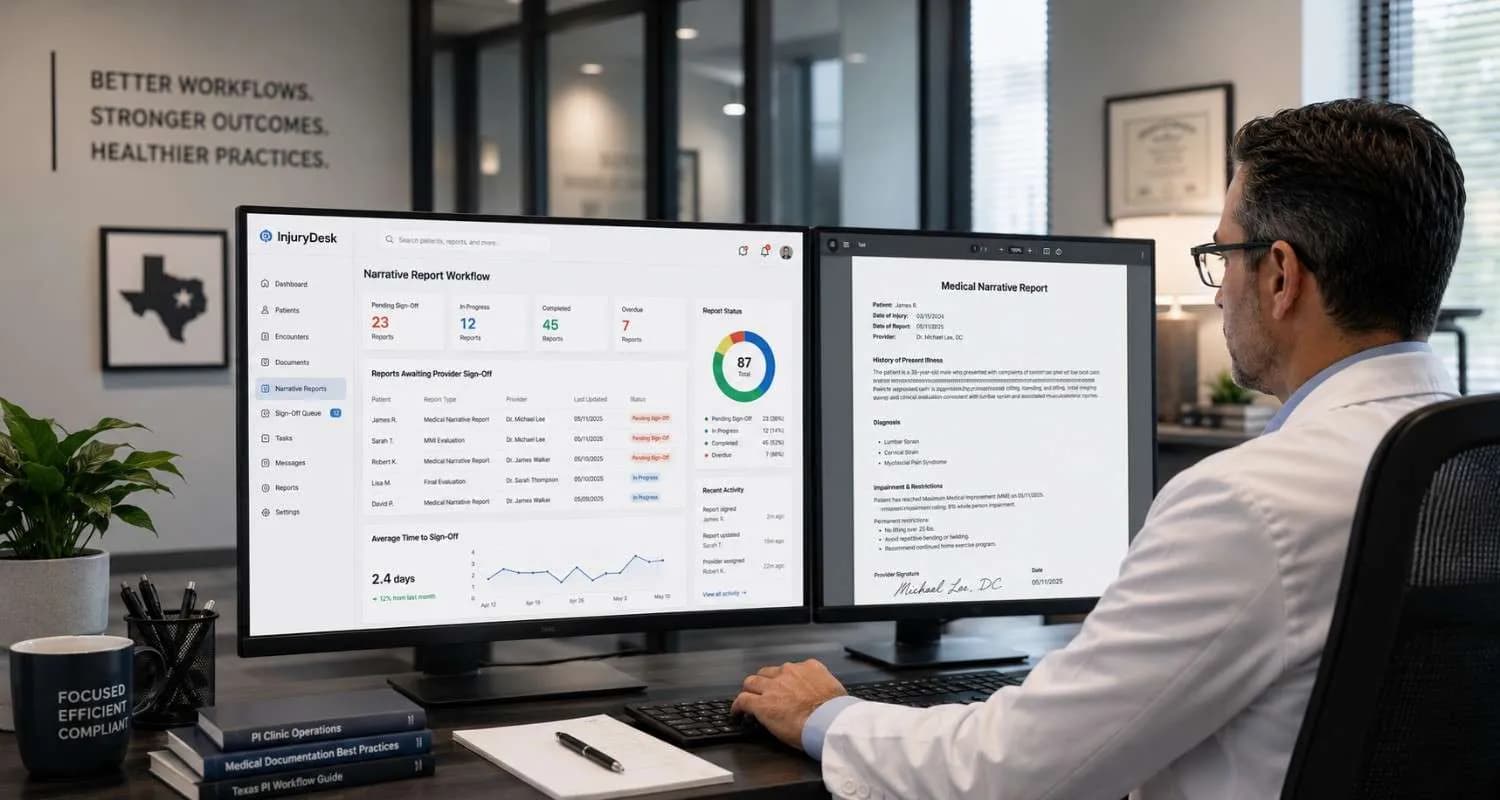

For Houston medical practices, navigating HIPAA compliance administrative support workflows represents more than a regulatory burden—it’s a critical component of patient trust and operational integrity. The stakes prove incredibly high: 62% of all HIPAA violations in Texas stem from administrative errors, not malicious intent, while 2025 HHS guidelines impose fines up to $2,134,831 per violation. With Houston-area HIPAA fines surpassing $1.5 million in 2024, ensuring robust HIPAA HIPAA-compliant administrative Support has become strategic necessity rather than optional compliance.
Recent enforcement data demonstrates escalating scrutiny: OCR closed 22 HIPAA investigations with financial penalties in 2024, making this a record year for HIPAA enforcement activity. The increased focus on business associates, highlighted by 2025 HHS audit trends showing 83% of businesses experience multiple data breaches, further underscores this urgency for Houston practices—from vast hospital systems within the Texas Medical Center to independent clinics throughout the metropolitan area.
Understanding comprehensive administrative safeguards becomes essential for sustainable practice growth. For broader operational frameworks, explore our Essential Backoffice solutions designed specifically for Houston healthcare practices.
Core HIPAA Requirements for Administrative Tasks
HIPAA compliance permeates every administrative task, demanding meticulous attention to how patient information is handled, accessed, and communicated across Houston healthcare organizations.
Secure Patient Information Handling
At HIPAA’s heart lie strict rules for handling Protected Health Information (PHI). For administrative tasks, this translates into robust data entry protocols including double-verification for critical data points like patient demographics and insurance information, significantly reducing errors that could lead to breaches.
Access controls prove equally vital, ensuring staff only access PHI relevant to specific roles, typically managed through role-based permissions within Electronic Health Record (EHR) systems. For Houston clinics, this might mean front-desk administrators have different access levels than billing specialists, with comprehensive audit trails tracking every access attempt.
Physical record security remains often overlooked but equally crucial, requiring locked filing cabinets and strict shredding schedules for paper documents containing PHI. Average breach detection time in healthcare reaches 258 days, making proactive security measures essential for Houston practices managing both digital and physical patient information. Explore our patient records management services designed specifically for Houston healthcare practices.
Communication Protocol Safeguards
PHI transmission demands stringent security across all communication channels to ensure comprehensive HIPAA Backoffice compliance throughout Houston healthcare operations.
Encrypted Communication Standards
Healthcare practices must implement safeguards across communication channels. Encrypted email using TLS 1.3 requirements has become standard for Houston telehealth providers exchanging patient information, while traditional fax machines present significant risks requiring replacement with HIPAA-compliant cloud fax solutions.
VoIP call security requires careful consideration, ensuring PHI remains masked or avoided entirely in voicemail messages and automated callback systems. A Houston pediatric clinic successfully reduced misdirected faxes by 75% through transitioning to secure digital solutions, highlighting tangible benefits of robust communication protocol adherence.
Implementing Technical Protections
Beyond protocols, robust technical safeguards prove indispensable for protecting sensitive patient data in daily administrative operations across Houston healthcare environments.
Data Security in Daily Administrative Work
Data protection requires stringent encryption standards, such as AES-256 for databases storing Houston patient records, ensuring compromised data remains unreadable. Practices must establish clear device management policies, especially for Houston remote staff accessing PHI from home or other locations.
This includes mandating strong passwords, remote wipe capabilities, and secure network access protocols. Comprehensive audit trails prove essential: logging every PHI access attempt with automated alerts for suspicious activity. These logs serve as critical evidence during breaches or audits, following NIST guidelines for encryption implementation.
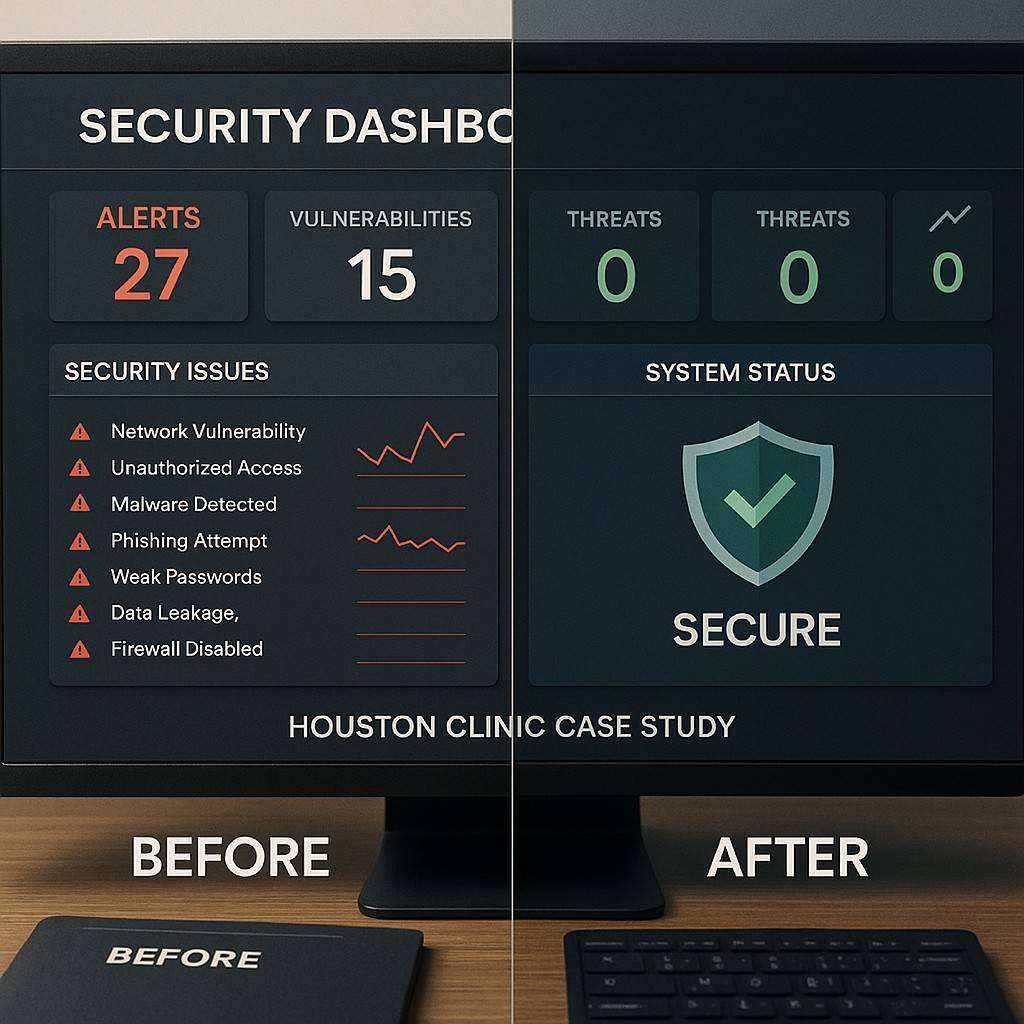
Building a Compliance-First Culture
Technology and protocols remain only as strong as people implementing them. Robust compliance cultures require ongoing education and accountability throughout Houston healthcare organizations.
Staff Training & Accountability
Regular quarterly training modules prove crucial for all staff handling PHI, including Houston-specific examples such as phishing simulation exercises tailored to common healthcare scams in the region. Role-based certifications ensure front desk staff understand patient privacy rules differently from billing specialists handling sensitive financial and medical data.
Establishing streamlined incident reporting processes, especially for Houston multi-location practices, ensures potential breaches are identified, reported, and mitigated swiftly. 62% of Texas medical audits flag documentation errors, making comprehensive training essential for maintaining compliance standards.
Outsourcing Administrative Support Safely
Outsourcing administrative tasks can significantly enhance efficiency while introducing new HIPAA responsibility layers requiring diligent management throughout Houston healthcare operations.
Next step
See how Synectus closes the handoff after the lead arrives.
If this article describes the exact gap inside your clinic, go one layer deeper into the service stack or book a direct strategy call with Synectus.