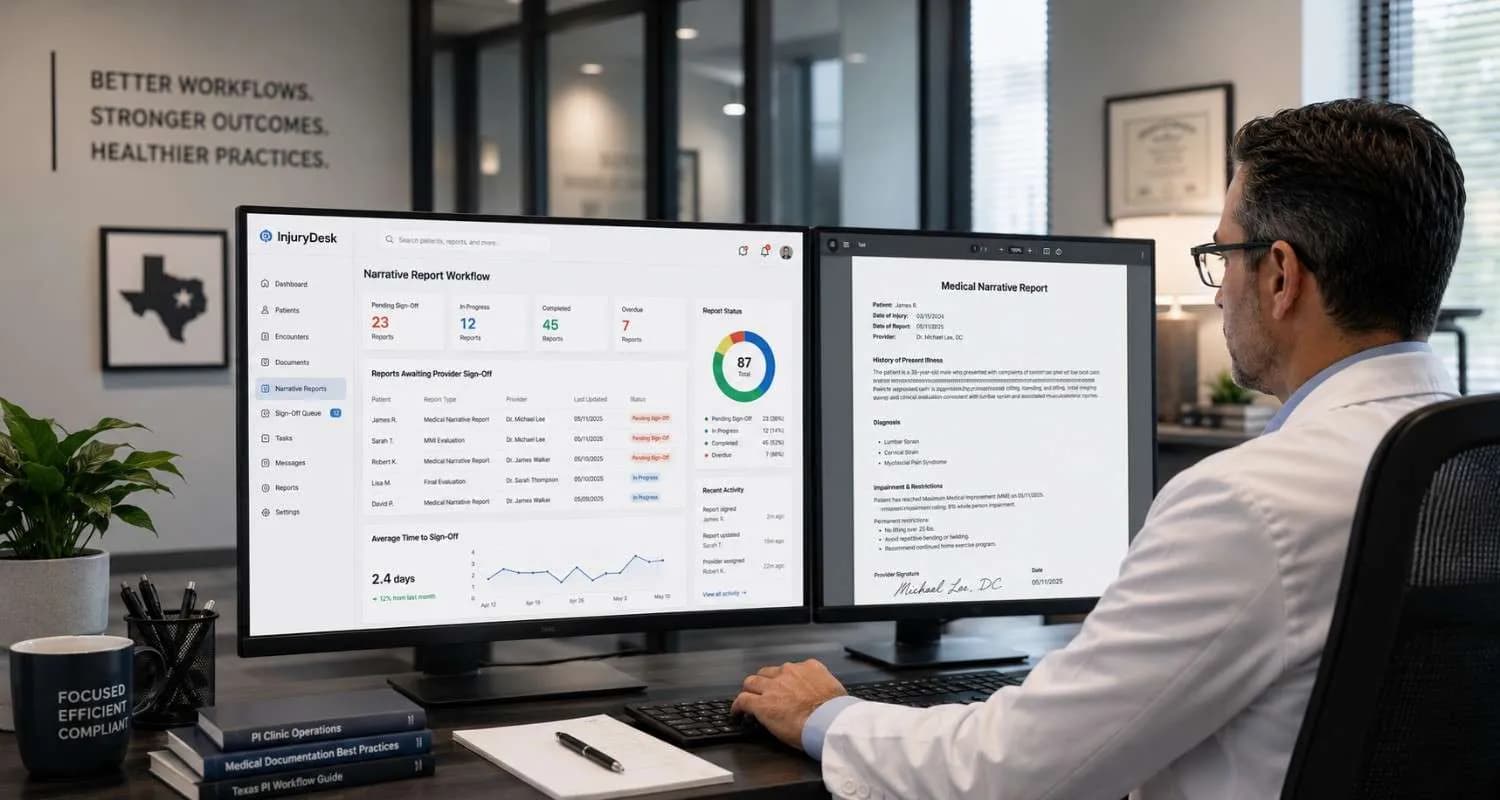

For medical practices in Houston—home to over 19,000 licensed physicians and the world’s largest medical center—the administrative burden of patient records management is inextricably linked with the stringent demands of HIPAA compliance. With Houston’s healthcare sector expected to add 12,800 jobs in 2025 and the region adding 29,600 total jobs between May 2024 and May 2025, the stakes for operational excellence have never been higher.
This isn’t merely about ticking boxes; it’s about safeguarding sensitive patient data against breaches, cyberattacks, and human error. Recent data reveals sobering realities: healthcare data breaches cost an average of $9.77 million in 2024, while 2024 HIPAA fines totaled $9,164,206 with penalties ranging from $35,000 to $4.75 million. The consequences of non-compliance extend beyond hefty fines to irreversible damage to reputation and the erosion of patient trust.
Effective HIPAA Patient Records Management Backoffice operations are the bedrock of secure and compliant medical practice. In Houston’s climate—vulnerable to natural disasters like hurricanes and flooding—securing both digital and physical records against unforeseen events is paramount. This discussion provides a comprehensive roadmap for achieving robust Patient Data Compliance, incorporating the latest HHS 2025 updates on Protected Health Information (PHI) safeguards. To better understand broader operational risks and solutions, explore our Essential Backoffice Solutions for Healthcare Practices.
HIPAA Compliance Foundations for Back Office Operations
At its core, HIPAA compliance Houston revolves around three fundamental pillars: the Privacy Rule, the Security Rule, and the Breach Notification Rule. Understanding these is crucial for any HIPAA Backoffice Healthcare operation, particularly in Houston’s complex regulatory environment.
The Privacy Rule sets national standards for protecting individually identifiable health information by defining Protected Health Information (PHI) and outlining individuals’ rights regarding their health information, including rights to inspect, copy, and amend health records. It specifies circumstances under which PHI may be used or disclosed.
The Security Rule mandates administrative, physical, and technical safeguards to protect electronic PHI (ePHI). This includes measures to control access to ePHI, ensure its integrity, and guard against unauthorized use or disclosure.
The Breach Notification Rule requires covered entities and business associates to notify affected individuals, HHS, and in some cases the media of PHI breaches.
Current HIPAA landscape statistics reveal:
- 83% of businesses experience multiple data breaches
- Average time to detect healthcare breaches: 258 days
- Healthcare has had the highest breach costs for 13 consecutive years
Beyond federal mandates, Houston’s medical practices must adhere to Texas Administrative Code requirements that often exceed federal standards, adding complexity to patient data management in the state’s most populous medical market.
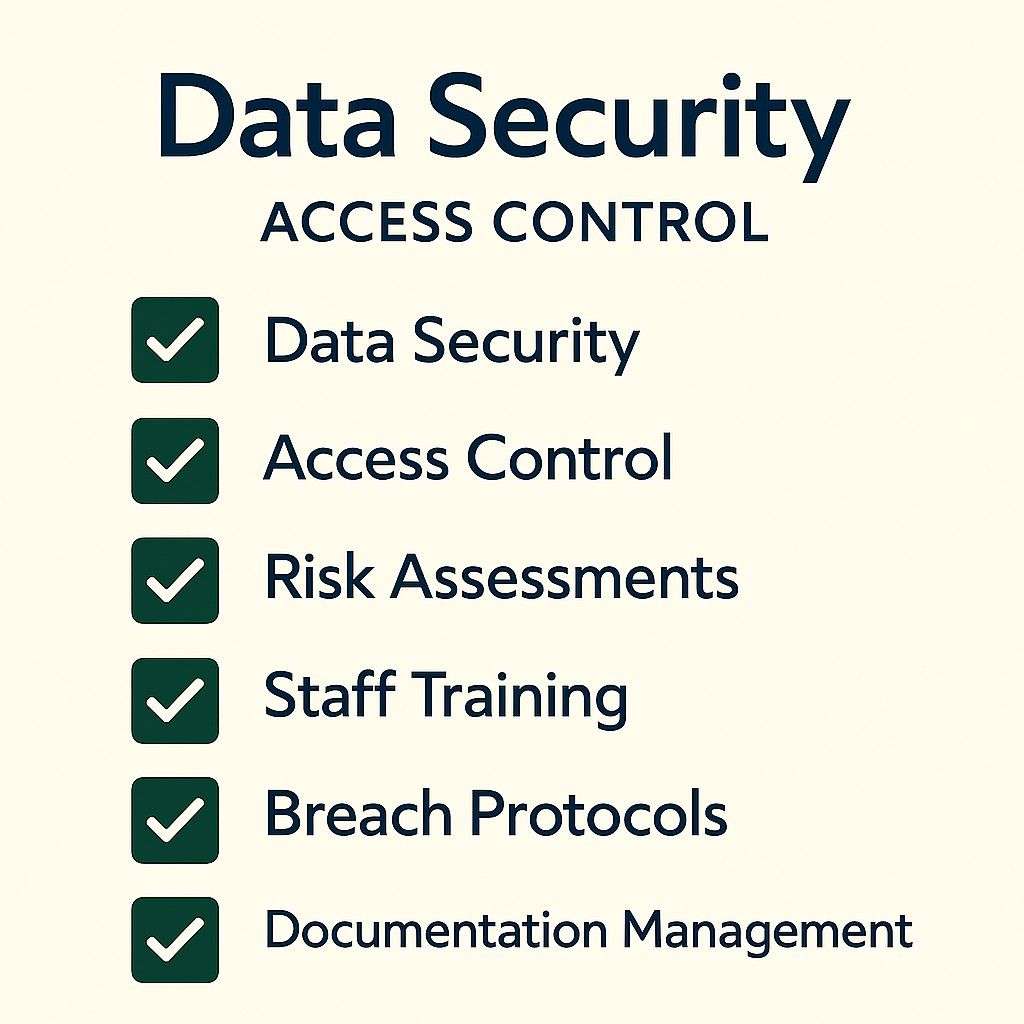
Data Security: Technical & Physical Safeguards
Effective HIPAA Patient Records Management Backoffice relies heavily on robust data security measures, encompassing both technical and physical safeguards. With 19% of all compromises beginning with exposed privileged credentials, securing access points is critical.
Technical Protections
For ePHI, technical safeguards are non-negotiable:
- Encryption Standards: All electronic PHI must be encrypted both at rest stored on servers/devices and in transit transmitted across networks. This often means employing advanced encryption standards like AES-256 to render data unintelligible to unauthorized parties.
- Firewall Configurations: Robust firewalls protect networks from external threats, acting as barriers between internal networks and the internet.
- Malware Prevention: Comprehensive antivirus and anti-malware solutions across all workstations and servers are critical for detecting, preventing, and removing malicious software that could compromise patient data.
- Case Study Example: A Houston clinic successfully avoided breaches that targeted similar local practices by implementing end-to-end encryption for all ePHI and migrating to HIPAA-compliant cloud storage, showcasing the effectiveness of strong technical safeguards.
Physical Safeguards
Physical security of patient records is equally vital, especially in Houston given its susceptibility to natural disasters:
- Secure Storage for Physical Records: Hard copy patient files and backup media must be stored in secure, access-controlled environments. For Houston practices, this means climate-controlled facilities that can withstand extreme weather events and prevent damage from humidity, flooding, or heat.
Device Management: Strict policies for managing physical devices that store or access PHI include:
- Locked Workstations: Ensuring computers and devices containing ePHI are locked when not in use
- Restricted Server Access: Limiting physical access to servers and network infrastructure to authorized personnel only
Secure Disposal: Following HIPAA-compliant methods for disposing of old hardware containing PHI
- Locked Workstations: Ensuring computers and devices containing ePHI are locked when not in use
- Disaster Recovery Planning: Given Houston’s climate, robust disaster recovery plans for both physical and electronic records are paramount. This involves regular backups of ePHI to off-site, secure locations and contingency plans for accessing physical records during floods or other natural disasters.
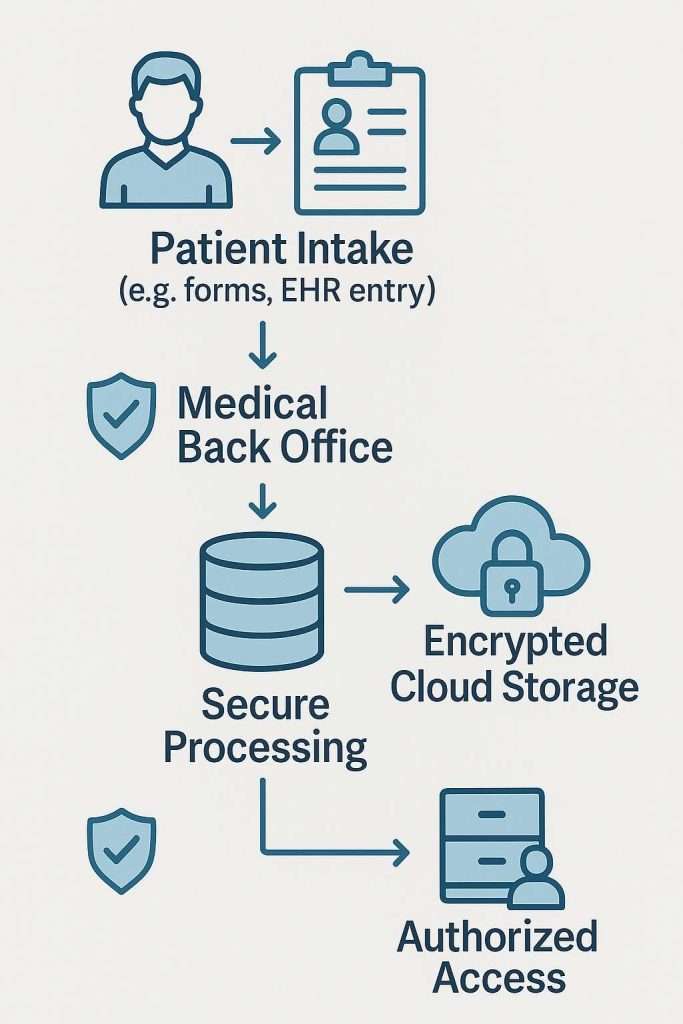
Access Control: Limiting PHI Exposure
Even with strong data security, controlling who has access to PHI is critical for Patient Data Compliance. Breaches involving compromised accounts average 327 days to contain, making access control essential.
Role-Based Access Controls
Implementing granular, role-based access control (RBAC) systems ensures staff only access the minimum necessary PHI to perform job functions:
- Front Desk Staff: May only need access to appointment schedules and basic demographic information
- Nurses: Require access to clinical notes and treatment plans relevant to patient care duties
- Billing Staff: Should only access financial information and encounter data relevant to claims processing, not full clinical histories
Regular review and update of access permissions is essential, especially when staff roles change or employees leave the practice.
Audit Trails and Logging
Maintaining detailed audit trails is a non-negotiable HIPAA requirement for HIPAA Backoffice Healthcare operations. All access, modifications, and deletions of ePHI must be logged, providing clear records of who accessed what information, when, and from where. This is crucial for:
- Investigating Incidents: Quickly identifying potential unauthorized access or data tampering
- Demonstrating Compliance: Providing documented proof to auditors during HIPAA audits
- Deterring Misuse: Knowledge that actions are logged acts as a deterrent against unauthorized access
Staff Training & Accountability
Human error remains a leading cause of HIPAA breaches. Comprehensive, ongoing staff training is paramount:
- Regular Training: Conduct mandatory HIPAA training upon hiring and annually thereafter, covering privacy policies, security protocols, and breach notification procedures
- Simulated Phishing Attacks: Conduct mock phishing exercises to train staff to identify and report suspicious emails—a common vector for data breaches
- Policy Acknowledgement: Ensure all staff formally acknowledge their understanding and commitment to your practice’s HIPAA policies
- Accountability: Establish clear disciplinary actions for non-compliance to underscore the seriousness of HIPAA regulations

Breach Notification Protocols
Despite best efforts, breaches can occur. Having clear and practiced breach notification protocols is essential for HIPAA Patient Records Management Backoffice. Major 2024 breaches included Montefiore Medical Center ($4.75 million fine) and Gulf Coast Pain Consultants ($1.19 million fine), highlighting the severe consequences of inadequate incident response.
Incident Response Plan
A well-defined incident response plan is your roadmap in the event of a breach:
- Identification: Procedures for quickly identifying suspected breaches
- Containment: Steps to limit damage and prevent further unauthorized access
- Eradication: Removing the cause of the breach
- Recovery: Restoring affected systems and data
- Communication Plan: Pre-approved templates and channels for notifying affected individuals, HHS, and potentially the media
- Post-Mortem Analysis: Learning from incidents to prevent future occurrences
Houston-Specific Considerations
Texas healthcare providers must also consider state-specific requirements for breach notification and medical record management. During recent Texas flooding events, practices needed to navigate patient follow-up protocols, medication management for displaced patients, and medical record recovery procedures.
For insights on handling data securely and efficiently, refer to our expertise in secure patient data handling.
Risk Assessments & Management
HIPAA requires regular risk assessments to identify vulnerabilities to ePHI and implement appropriate safeguards. This involves:
- Vulnerability Scans: Regularly scanning networks and systems for security weaknesses.
- Penetration Testing: Simulating cyberattacks to identify potential entry points for malicious actors.
- Business Associate Agreement (BAA) Review: Regularly reviewing BAAs with all third-party vendors who handle PHI to ensure they meet HIPAA compliance standards
Conclusion
Navigating HIPAA Patient Records Management Backoffice in Houston’s dynamic healthcare landscape is an ongoing commitment, not a one-time task. With healthcare breach costs averaging $9.77 million in 2024 and Texas seeing significant HIPAA enforcement activity, the financial penalties, legal repercussions, and erosion of patient trust underscore the critical importance of proactive and meticulous approaches.
Key compliance statistics emphasize the urgency:
- 83% of businesses experience multiple data breaches
- Average breach detection time: 258 days in healthcare
- 2024 HIPAA fines totaled over $9 million
- Human error remains a leading cause of breaches
From robust technical safeguards and secure physical storage to granular access controls and comprehensive staff training, every aspect of back office operations must prioritize Patient Data Compliance. Given Houston’s vulnerability to natural disasters, disaster recovery planning becomes especially critical for maintaining continuity of care and regulatory compliance.
In Houston’s expanding healthcare market—with 12,800 projected healthcare jobs in 2025 and over 19,000 licensed physicians—practices that implement foundational principles and practical strategies outlined in this guide can build audit-proof systems, protect sensitive PHI, and reinforce their reputation as trusted healthcare providers.
The potential financial penalties, legal repercussions, and erosion of patient trust underscore the critical importance of proactive and meticulous approaches to HIPAA compliance. By implementing comprehensive safeguards, your medical practice can build an audit-proof system while maintaining the highest standards of patient care.
Ready to ensure HIPAA compliance? Ensure HIPAA Compliance: Learn About Back Office Solutions to discover how we can help secure your practice’s patient data management systems.
To gain a more holistic understanding of essential administrative functions that support your practice, revisit our comprehensive healthcare back office solutions.
Next step
See how Synectus closes the handoff after the lead arrives.
If this article describes the exact gap inside your clinic, go one layer deeper into the service stack or book a direct strategy call with Synectus.