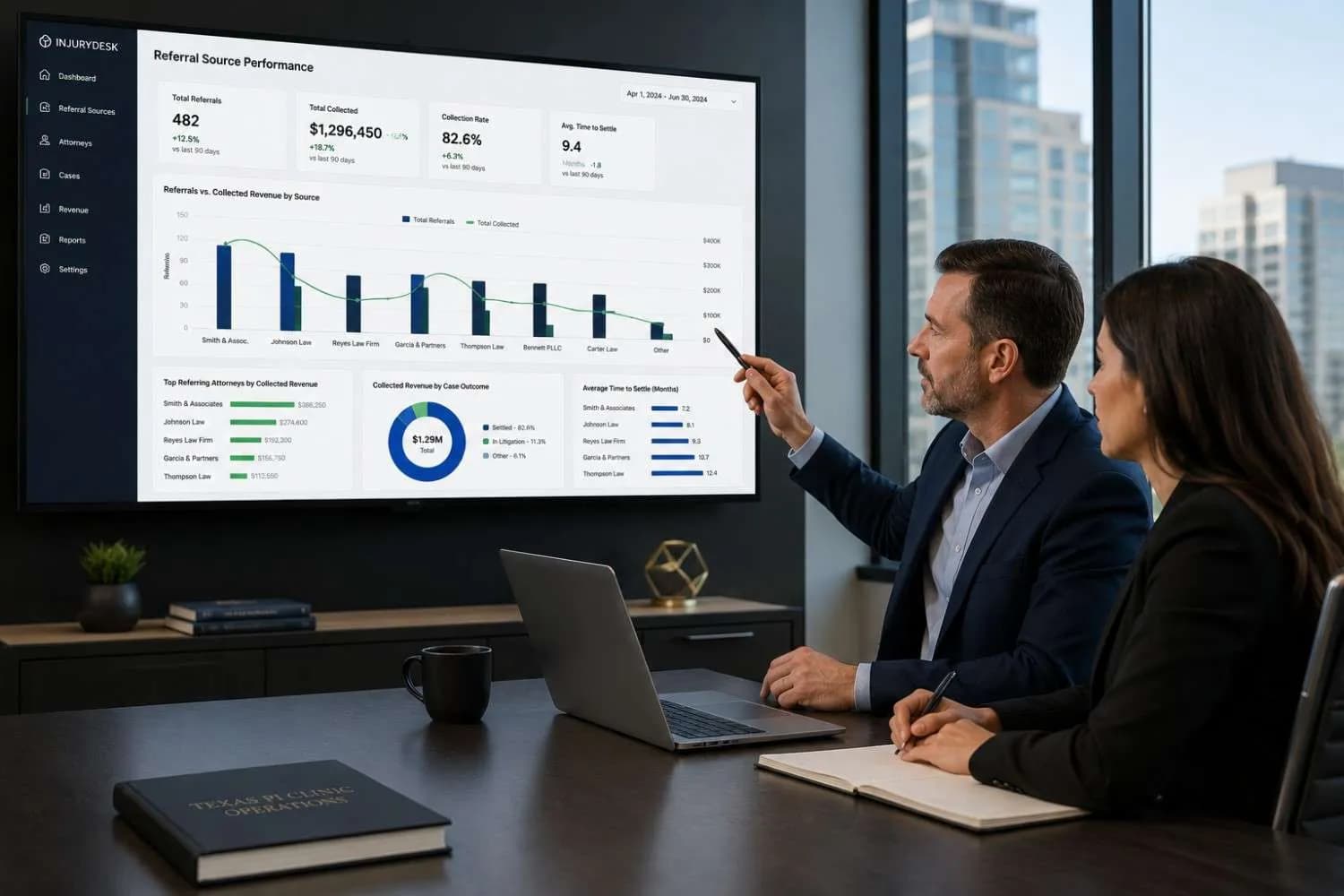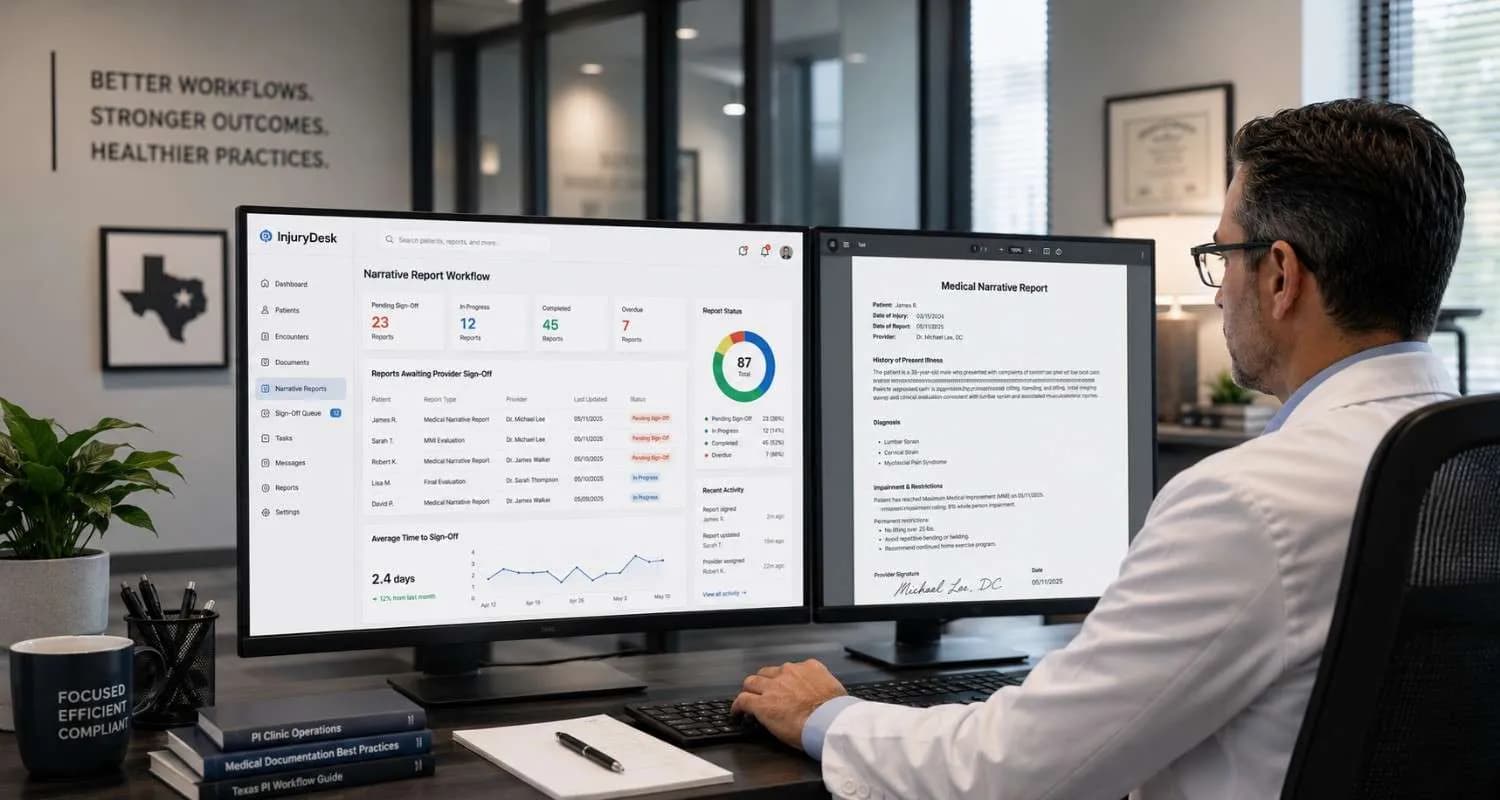
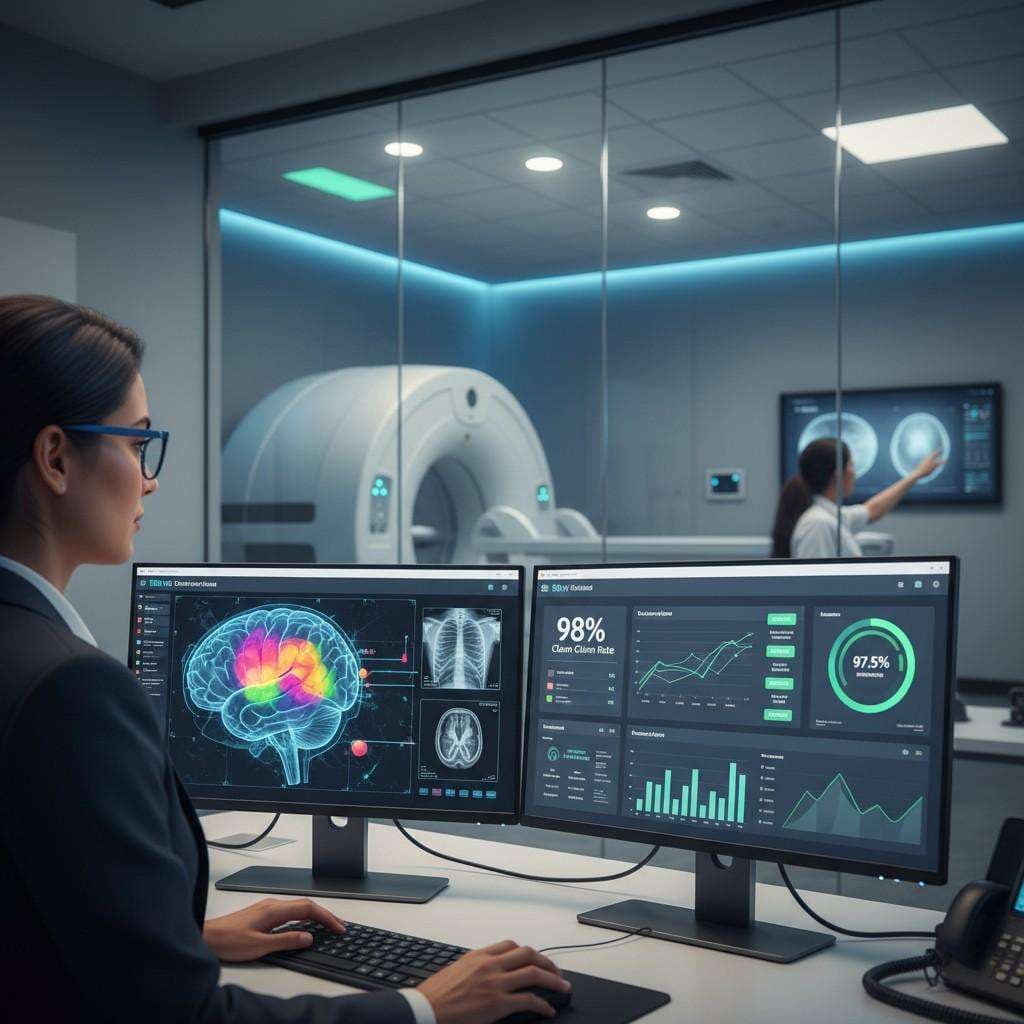
The financial health of an imaging center in a competitive market like Houston, TX is directly tied to the efficiency of its revenue cycle. Unfortunately, the path from image acquisition to payment is fraught with challenges. Did you know that claim denial rates for imaging claims often exceed the general healthcare average, leading to significant revenue loss from billing errors? For imaging centers in the massive Houston healthcare sector, efficient Medical Billing Imaging Centers practices are not just a goal—they are a necessity for survival and growth.
This post introduces a strategic framework of best practices specifically tailored to manage the unique complexities of Imaging Center Billing. By focusing on coding accuracy, pre-authorization, claim submission, and denial management, Houston, TX imaging center administrators and practice owners can transform their billing operations. For a broader view on how to stabilize your administrative foundation, explore our Essential Backoffice Solutions for Healthcare Practices. The specialized nature of radiology billing demands expert handling to avoid crippling revenue loss, and we’ll show you exactly where to focus your efforts.
Understanding the Unique Billing Challenges for Imaging Centers
Medical billing for imaging centers differs significantly from that of a standard primary care practice or other specialty. The complexity stems from the very nature of the services offered. Imaging centers handle a high volume of diverse radiology procedures, including sophisticated modalities like MRI, CT, X-ray, ultrasound, and mammography.
This variety leads to the need to manage a vast array of procedure codes specific to radiology, primarily within the CPT code range of 70010-79999. A key complexity is the necessity to properly split and bill the technical component (TC)—covering equipment, supplies, and technician services—and the professional component (26)—covering the radiologist’s interpretation and report. Equipment-specific considerations and the sheer precision required to handle high patient volumes are daily concerns for Houston imaging center operators who serve diverse patient populations across multiple insurance networks. Mastering these nuances is essential for effective Healthcare Billing Imaging and overall RCM Imaging Centers success.
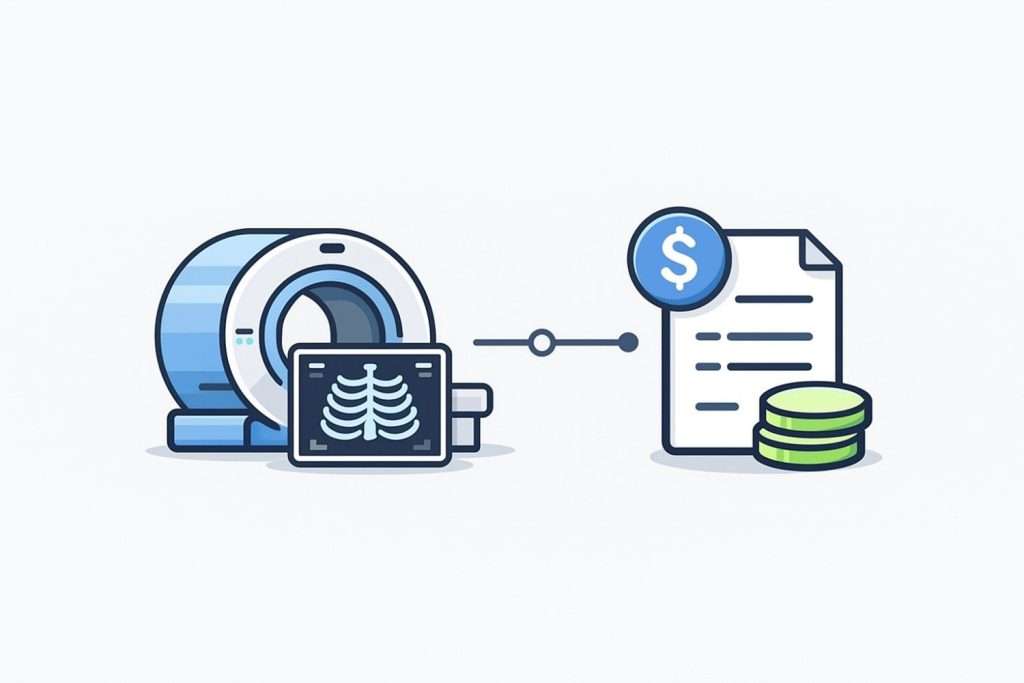
Best Practice #1: Ensuring Coding Accuracy for Radiology Procedures
The bedrock of successful Medical Billing Imaging Centers is accurate coding. Errors here cause immediate claim denials, delayed payments, and put the center at risk of potential audits and compliance issues.
- Procedure-Specific Coding: Precision is paramount with common radiology CPT codes e.g., 71046 for chest X-rays, 72148 for lumbar spine MRI, 77067 for screening mammography, 70450 for CT head without contrast.
- Modifier Mastery: Proper use of modifiers is non-negotiable. This includes
– Modifier 26 professional component,
– TC technical component,
– 76/77 repeat procedures,
– 50 bilateral procedures, and
– 59 distinct procedural services.
For Houston imaging centers handling diverse procedures, accuracy is vital for proper reimbursement in a competitive environment. - Medical Necessity: Procedure codes must align perfectly with appropriate diagnosis codes (ICD-10) to clearly demonstrate medical necessity.
- Staying Current: Given that approximately 18% of coding denials occur because of invalid claim data, regular staff training on CPT code updates—like potential 2025 changes affecting MRI safety codes—is crucial. Specialized radiology coding accuracy is complex, making professional expertise invaluable.
To ensure your center has the expert coding support required to navigate radiology-specific coding guidelines, learn more about our professional medical billing and coding services.
Best Practice #2: Mastering Pre-Authorization Requirements
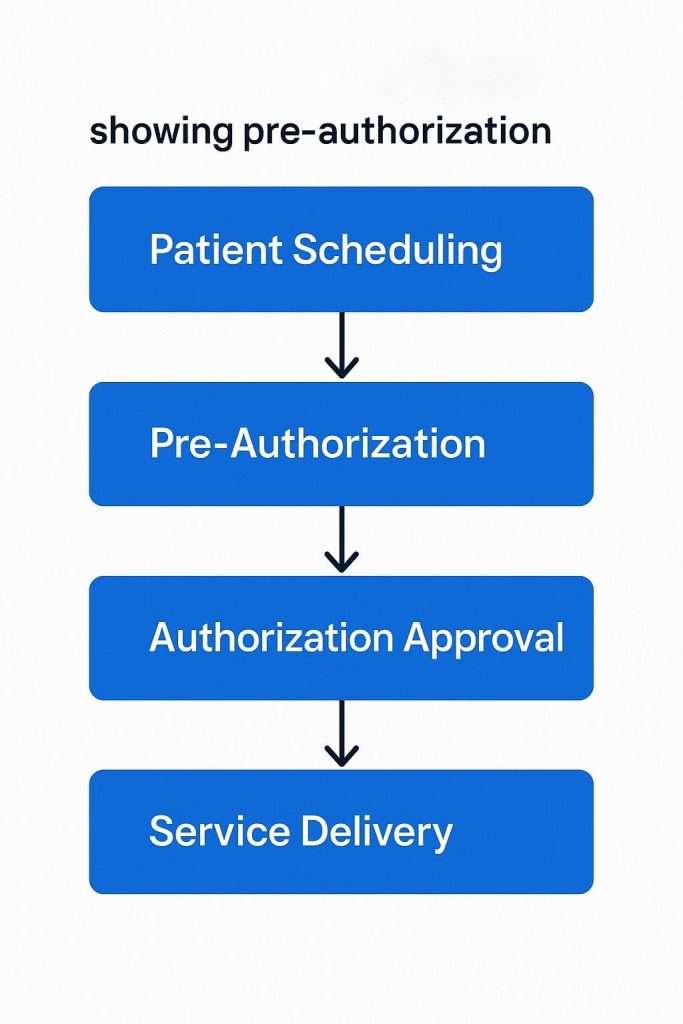
Prior authorization is a significant gatekeeper in imaging services. The increasing trend of stricter prior authorization requirements from CMS and private payers in 2025 means this is an area where Imaging Center Billing must excel. Typically, high-cost, high-tech procedures like CT scans, MRIs, MRAs, and PET scans require pre-authorization.
The process involves a multi-step verification: confirming insurance coverage, securing medical necessity documentation, and confirming referral details. Failure to secure or document a complete authorization before the service is provided will almost certainly lead to a denial, causing delayed patient care and revenue loss.
Best Practices for Pre-Authorization:
- Front-End Verification: Verify authorization requirements before scheduling the patient.
- Payer Policy: Maintain up-to-date knowledge of payer-specific policies, a challenging but critical task for Houston imaging centers dealing with diverse insurance carriers.
- Automation: Leverage electronic prior authorization systems to streamline the multi-step workflow.
With imaging centers seeing up to a 300 percent uptick in prior authorization denials over recent years, specialized knowledge in managing this complex process is key to efficient RCM Imaging Centers. Streamline your entire process with our insurance verification services.
Best Practice #3: Optimizing Claim Submission Processes
A streamlined claim submission process is vital for maximizing first-pass claim acceptance rates—the ultimate measure of efficiency in Medical Billing Imaging Centers.
Key Submission Nuances:
- Front-End Data: Accurate collection of patient demographic and insurance information at the front desk prevents the most common submission errors.
- Component Billing: Properly distinguish when to bill the technical component (TC), professional component (26), or use global billing.
- Technology & Timeliness: Utilize claim scrubbing technology to catch errors before submission and ensure timely claim submission to avoid filing deadline denials.
- Documentation: Claims must be accompanied by proper documentation, including the radiologist’s report, medical necessity justification, and authorization numbers.
Targeting a clean claim rate above 95% is the benchmark for top-performing practices. Errors such as missing modifiers or incomplete documentation can be financially costly. Systematic claim review processes can significantly help Houston imaging centers achieve higher submission accuracy. For comprehensive operational improvements, explore our comprehensive billing support services.
Best Practice #4: Implementing Effective Denial Management Strategies
Denials are a persistent threat to the financial stability of RCM Imaging Centers. They occur frequently in imaging due to complex authorization and coding processes. Common denial reasons specific to imaging include lack of pre-authorization, coding errors, and medical necessity not established.
Effective Denial Management Strategy:
- Front-End Prevention: Continuously conduct eligibility and authorization verification.
- Tracking & Analysis: Track and categorize denials by reason codes and analyze trends by payer or procedure to identify the root cause.
- Systematic Follow-Up: Establish systematic follow-up processes for claim rework and appeal submission.
- Appeal Timeliness: Ensure timely appeal submission with proper supporting documentation, as many denied claims are recoverable with focused follow-up.
Given that 50-65% of denied claims often go unchallenged, leading to significant lost revenue, efficient denial management provides a critical financial advantage in the competitive Houston market. Healthcare Billing Imaging specialists are essential for this high-value recovery process.
Best Practice #5: Leveraging Technology and RCM Solutions
Technology is the engine that drives efficiency in modern Imaging Center Billing. RCM Imaging Centers must embrace:
- Automated Systems: Practice management systems, EHR integration, automated eligibility verification, claim scrubbing software, and automated prior authorization systems reduce manual errors and significantly improve efficiency.
- Reporting and Analytics: Real-time reporting and analytics dashboards allow administrators to monitor key performance indicators (KPIs) and make data-driven decisions.
- Integration: Seamless data flow must be ensured through integration with radiology-specific systems RIS, PACS.
Many Houston imaging centers are finding that utilizing outsourced RCM services provides access to specialized expertise, secure, HIPAA-compliant platforms, and cutting-edge automation, leading to 20-30% faster reimbursement cycles and the ability to focus internal resources on patient care. You can explore comprehensive backoffice solutions to see how technology can transform your operations.
Ensuring Compliance and Staying Current with Regulations
The regulatory landscape, including HIPAA, Medicare, Medicaid, and the No Surprises Act, demands constant vigilance from Medical Billing Imaging Centers. Compliance in 2025 requires an active approach:
- Stay Updated: Staff must be trained on annual CPT code changes e.g., 2025 updates and evolving payer policies relevant to radiology billing.
- Audits: Regular billing audits are necessary to identify compliance risks, coding errors, and potential documentation weaknesses.
- Documentation: Meticulous record-keeping is required to support all claims and demonstrate medical necessity.
Given the complexity of managing compliance across federal, Texas state, and payer-specific regulations, partnering with compliance experts who specialize in Healthcare Billing Imaging is often the most secure path to avoiding audits, recoupment demands, and penalties.
Measuring Success: Key Performance Indicators for Imaging Center Billing
If you can’t measure it, you can’t improve it. Houston imaging centers must utilize data analytics to drive continuous improvement in their billing operations.
Key Revenue Cycle KPIs to Monitor:
| Metric | Target Range | Purpose |
|---|---|---|
| Clean Claim Rate | 95%+ | Percentage of claims paid on the first submission. |
| Days in Accounts Receivable (A/R) | < 30 days | Average time it takes to collect payments. |
| Claim Denial Rate | < 5% | Percentage of claims denied by payers. |
| Net Collection Rate | 95%+ | Percentage of collectible revenue actually collected. |
| First-Pass Resolution Rate | High (85%+) | Percentage of claims that are fully resolved (paid/closed) on the first cycle. |
Benchmarking these metrics against industry standards is vital for improving RCM Imaging Centers performance. This performance optimization is essential for remaining competitive in the Houston healthcare market.
Conclusion
The path to financial success for an imaging center in Houston, TX, is paved with meticulous billing practices. By systematically implementing best practices in radiology coding accuracy, mastering complex pre-authorization requirements, achieving high clean claim rates, and executing effective denial management, you can mitigate the unique financial and operational challenges facing your center.
Implementing these strategies—backed by specialized expertise and leveraging modern technology—will result in improved cash flow, reduced administrative burden, and enhanced compliance.
Specialized Medical Billing Imaging Centers support provides the expertise, technology, and systematic processes necessary to transform your revenue cycle.
Optimize Billing: Learn About Services – Don’t let complex billing hinder your center’s growth. Discover how our professional medical billing and coding services can reduce your denials, accelerate your cash flow, and simplify your operations.
Next step
See how Synectus closes the handoff after the lead arrives.
If this article describes the exact gap inside your clinic, go one layer deeper into the service stack or book a direct strategy call with Synectus.